
NewsDetails
Thickness Selection of Insulated Decorative Wall Panels
author:Dingming time:2026-05-07 15:23:32 Click:75
Thickness Selection of Insulated Decorative Wall Panels
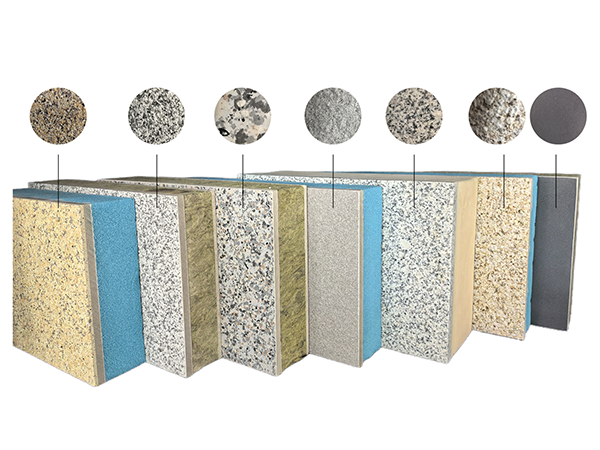
The thickness of insulated decorative wall panels is a key design parameter that directly affects thermal insulation performance, structural safety, fire resistance, and overall building energy efficiency. Proper thickness selection must balance energy-saving requirements, climate conditions, building height, and facade system performance.
1. Thermal Insulation Performance Requirements
The primary function of panel thickness is to meet building energy efficiency standards. Thicker insulation layers provide lower thermal conductivity and better energy-saving performance. In cold regions, increased thickness is required to reduce heat loss, while in mild climates, moderate thickness can meet regulatory requirements without excessive material use.
2. Climate Zone Influence on Thickness Selection
Different climate zones require different insulation thickness levels:
In cold regions, thicker insulation layers are needed to resist low temperatures and reduce heating energy consumption.
In hot climates, moderate thickness combined with reflective coatings helps reduce heat gain.
In humid regions, thickness must be balanced with moisture control to prevent condensation and mold growth.
Climate conditions are one of the most important factors in determining optimal thickness.
3. Building Height and Energy Demand
High-rise buildings generally require more stable thermal performance due to increased wind exposure and heat loss at elevation. Therefore, thickness design must consider building height, facade exposure, and energy consumption targets. Taller buildings often adopt slightly increased insulation thickness to improve overall efficiency.
4. Structural Load and Facade Stability Considerations
Increasing panel thickness also increases system weight. Excessive thickness may impose additional load on anchors, adhesives, and substrate structures. Therefore, thickness selection must ensure compatibility with mechanical fixing capacity and structural safety requirements.
5. Material Type and Thickness Efficiency
Different insulation materials provide different thermal efficiencies:
Polyurethane (PU): high insulation efficiency, thinner thickness required
Extruded polystyrene (XPS): medium-high efficiency
Expanded polystyrene (EPS): moderate efficiency, requires greater thickness
Rock wool: lower insulation efficiency, but excellent fire resistance
Material selection directly affects required thickness design.
6. Fire Safety and Code Compliance
Fire regulations may limit or influence thickness design, especially in high-rise buildings. In fire-sensitive zones, non-combustible materials such as rock wool may be required, which may result in increased thickness to achieve equivalent insulation performance.
7. Economic and Construction Considerations
Thickness selection must also consider cost efficiency and installation feasibility. Overly thick systems increase material cost, transportation load, and installation difficulty. Optimized design aims to achieve the best balance between performance, safety, and cost.
Conclusion
The thickness selection of insulated decorative wall panels is a comprehensive engineering decision influenced by thermal performance requirements, climate conditions, building height, material properties, fire safety regulations, and structural limitations. A scientifically optimized thickness design ensures energy efficiency, facade stability, and long-term durability while maintaining cost-effectiveness and construction practicality.
References
GB 50176 – Code for Thermal Design of Civil Buildings
GB/T 29906 – Decorative Insulation Composite Panels for Buildings
JGJ 144 – Technical Specification for External Wall External Insulation Engineering
ASTM C518 – Thermal Transmission Properties of Insulation Materials
ISO 10456 – Hygrothermal Performance of Building Materials
EN 13162 – Thermal Insulation Products for Buildings
ETAG 004 – External Thermal Insulation Composite Systems Guidelines
 Recommended Products
Contact us
Recommended Products
Contact us
—— Contact:Manager
—— Tel:+86 15175677755
—— Email:644244139@qq.com
—— Url:https://www.dingminginsulation.com
—— Address:Liuyuanzhuang Village, Dacheng County, Langfang City, Hebei Province