
NewsDetails
Real Stone Paint Insulation Integrated Board: Performance and Design Review
author:Dingming time:2026-08-07 18:41:14 Click:116
The Appeal of Stone-Like Facades Without the Weight
Natural stone has long been considered the gold standard for building facades. It conveys permanence, quality, and architectural prestige. However, the cost, weight, and installation complexity of genuine stone limit its practical application to high-budget projects with robust structural systems. Real stone paint insulation integrated boards have emerged as a practical alternative that captures much of the visual impact while solving the engineering challenges that stone presents.
These factory-produced panels combine a multi-layer stone-effect coating with a rigid insulation core, delivering both aesthetic and thermal performance in a lightweight format. A typical panel weighs between 8 and 15 kilograms per square meter, compared to 60 to 120 kilograms for solid stone cladding. This dramatic weight reduction opens stone-like facade design to a much broader range of building types and structural conditions.
Manufacturers have refined stone paint application technology over the past decade. Modern multi-spray processes can reproduce the color gradients, surface relief, and granular texture that give natural stone its distinctive appearance. The visual fidelity has improved to the point where many architects struggle to distinguish these panels from genuine stone at normal viewing distances.
How Real Stone Paint Finishes Are Manufactured
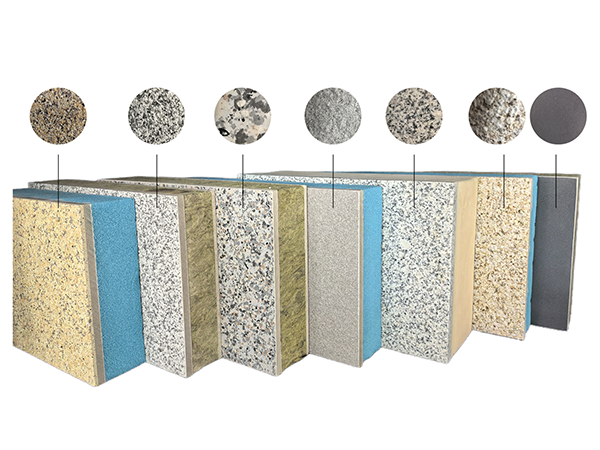
The decorative surface on these panels is built up through a carefully controlled factory process. A primer layer bonds to the panel substrate, followed by one or more base color coats, and finally a textured stone-effect layer composed of fine mineral aggregates suspended in a resinous binder. Some manufacturers apply two or three stone-effect layers with varying aggregate sizes to create the depth and complexity found in natural granite surfaces.
The curing process is equally important. Factory-controlled curing at specific temperatures and humidity levels ensures complete binder reaction, which directly affects the coating's long-term durability. Field-applied stone finishes rarely achieve the same level of cure consistency because weather conditions vary unpredictably during construction.
Color matching is another area where factory production excels. Computer-controlled pigment dispensing maintains tight color tolerances across production batches, which means panels ordered months apart will still match visually on the finished building. This consistency proves invaluable on large projects where installation spans many weeks or months.
Insulation Core Selection for Stone Paint Panels
The insulation core beneath the stone paint finish determines the panel's thermal, fire, and structural characteristics. Rock wool is the most widely specified core for real stone paint panels because it provides non-combustible fire protection alongside good thermal resistance. Fire ratings of one to two hours are achievable when these panels are incorporated into properly designed wall assemblies.
Polyurethane cores offer thinner profiles for the same thermal resistance, which suits renovation projects where exterior wall depth is limited. However, polyurethane requires thermal barriers in most code jurisdictions, and the manufacturer must verify that the complete assembly meets fire separation requirements before specification.
Some suppliers carry XPS-core stone paint panels for projects requiring higher moisture resistance, such as facades in coastal environments or buildings with below-grade exterior wall sections. The manufacturer can provide specific guidance on core selection based on the project's climate zone, fire rating requirements, and budget parameters.
Weather Resistance and Long-Term Durability
The performance of stone paint finishes under real-world weather exposure determines whether the initial aesthetic investment holds value over time. Accelerated weathering tests that simulate 10 to 20 years of UV exposure provide insight into long-term color stability and surface integrity. Manufacturers who invest in these tests and share results demonstrate confidence in their products.
Freeze-thaw cycling is another critical durability factor, particularly in northern climates. Water that penetrates the surface coating can freeze and expand, causing flaking or delamination. Quality panels include a clear topcoat or sealer that repels water while allowing the stone-effect texture to remain visible. This protective layer is typically applied as the final factory step.
Most manufacturers warrant their stone paint finishes for 15 to 25 years against fading, chalking, and adhesion failure. The actual service life often exceeds warranty periods when panels are properly installed and maintained. Cleaning with mild detergents and low-pressure water typically restores appearance without damaging the surface.
Architectural Design Possibilities
Real stone paint panels give architects a design vocabulary that bridges traditional and contemporary aesthetics. On residential projects, the panels can replicate the look of natural stone veneers that are popular in upscale suburban markets. Commercial buildings benefit from the gravitas that stone aesthetics convey, often using larger-format panels to create monolithic facade expressions.
Panel dimensions and joint patterns contribute to the overall design character. The manufacturer typically offers panels in widths from 300 to 600 millimeters and lengths up to 3000 millimeters. Joint patterns including running bond, stack bond, and random-offset layouts create different visual rhythms. The supplier can provide sample panels and mockup assistance during the design phase.
Color selection has expanded considerably. While traditional gray and beige tones remain popular, manufacturers now produce stone paint finishes in darker charcoal, warm sandstone, and even green-tinged slate tones. Custom color matching services are available from some manufacturers for projects requiring specific palette alignment.
Installation Considerations for Stone Paint Panels
Installation methods for real stone paint insulation panels follow the same general approach as other integrated board systems. Panels attach to the structural substrate using mechanical fasteners supplemented by adhesive, with joint sealing completed on site. However, the stone-effect surface requires extra care during handling to avoid chipping or scratching the decorative finish.
Edge protection during transport and storage helps prevent damage that would be visible on the finished facade. The manufacturer typically packages panels with protective film or corner guards. Installation crews should use non-metallic tools at panel edges and avoid resting panels on hard surfaces without cushioning.
Joint detailing is particularly important for stone-look panels because visible joints can either enhance or detract from the stone aesthetic. Manufacturers provide recommended joint widths and sealant colors that complement the panel finish. The supplier can advise on joint treatments that maintain the natural stone appearance.
Applications Across Project Types
Real stone paint insulation integrated boards suit a wide range of building types. New residential construction benefits from the curb appeal these panels provide at a fraction of natural stone cost. Commercial office buildings use them to create distinctive facades that stand out in competitive markets. Institutional buildings including schools and healthcare facilities appreciate the combination of durability and maintenance ease.
Renovation projects represent a growing application area. Existing buildings with deteriorated facades can be refreshed with stone-look panels that simultaneously improve thermal performance. The lightweight nature of the panels typically avoids the structural upgrades that heavy stone cladding would demand. The manufacturer can provide engineering assessments for specific renovation scenarios.
Conclusion
Real stone paint insulation integrated boards deliver the visual impact of natural stone without the weight, cost, and installation complexity that limit genuine stone application. The combination of factory-controlled surface finishes, selectable insulation cores, and proven attachment systems makes these panels a versatile choice for both new construction and renovation projects. Selecting a quality manufacturer and working with a knowledgeable supplier ensures that the finished facade meets both aesthetic expectations and long-term performance requirements.
References
ASTM International. (2022). ASTM D1654: Standard Test Method for Evaluation of Painted or Coated Specimens Subjected to Corrosive Environments. ASTM Publications.
Building Research Establishment. (2021). Weathering Performance of Exterior Cladding Coatings. BRE Publications.
National Research Council Canada. (2021). Accelerated Weathering Testing Protocols for Building Materials. NRC Publications.
International Code Council. (2021). International Existing Building Code: Exterior Wall Retrofit. ICC Publications.
American Institute of Architects. (2023). Exterior Cladding Systems: Selection Guide for Architects. AIA Publications.
 Recommended Products
-
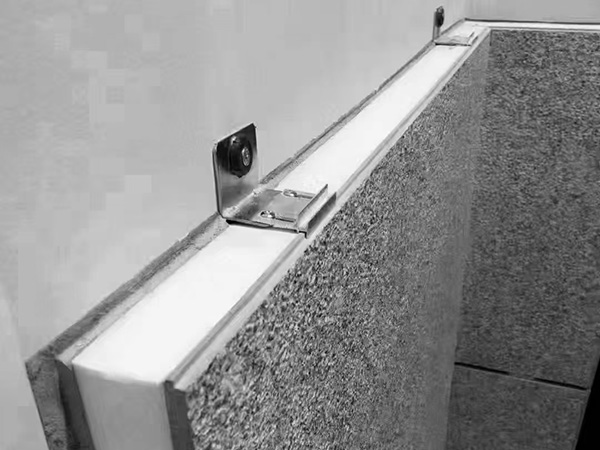
Real stone paint exterior wall insulation and decoration integrated board
-
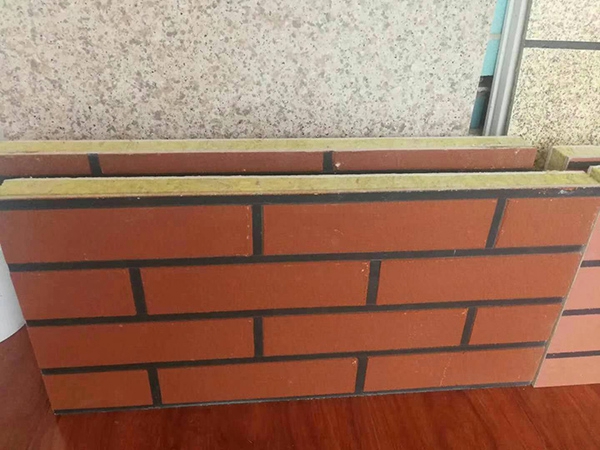
Real stone paint imitation brick polyurethane insulation integrated board
-
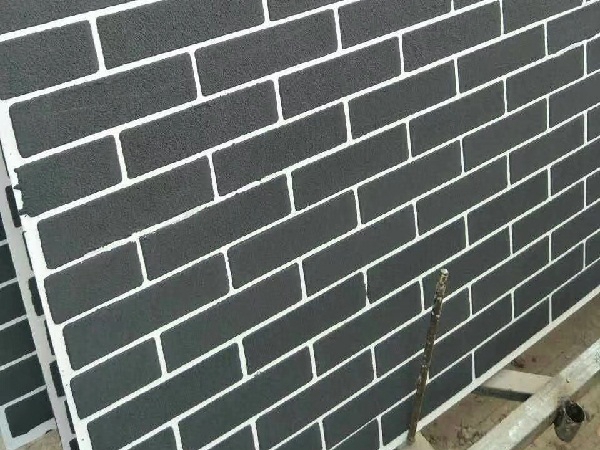
Extruded genuine stone paint imitation brick integrated board
-
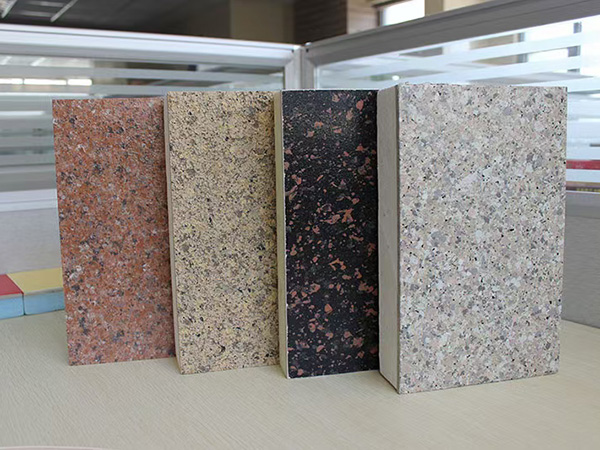
Imitation stone paint insulation decorative integrated board
-
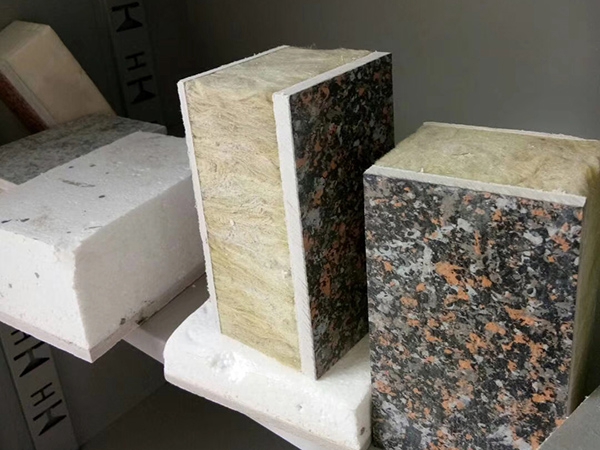
Colorful painted rock wool insulation decorative integrated board
-
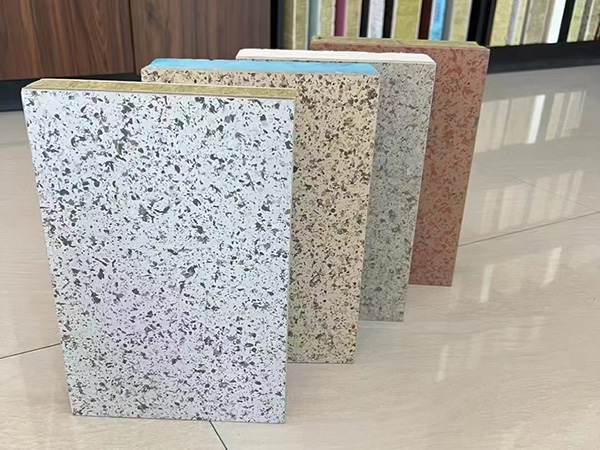
Imitation stone insulation decorative integrated board
Contact us
—— Contact:Manager
—— Tel:+86 15175677755
—— Email:644244139@qq.com
—— Url:https://www.dingminginsulation.com
—— Address:Liuyuanzhuang Village, Dacheng County, Langfang City, Hebei Province