
NewsDetails
Sustainable Building Materials: Why Insulation Matters for Green Construction
author:Dingming time:2026-08-08 19:29:00 Click:64
The Foundation of Sustainable Construction
Sustainable construction practices have evolved from niche concern to mainstream requirement across the building industry. Environmental regulations, energy codes, and market expectations now demand buildings that minimize resource consumption throughout their operational lives. Insulation represents perhaps the most impactful building material for achieving sustainability objectives, directly determining how much energy buildings require for heating and cooling.
A quality insulation manufacturer understands that their products influence building performance for decades after installation. This long-term impact magnifies the importance of selecting appropriate materials for specific applications. The supplier relationship provides access to technical expertise and environmental documentation that supports informed material selection.
Building professionals increasingly recognize that sustainable construction begins with the building envelope. No amount of renewable energy or efficient equipment can compensate for poor thermal performance, making insulation selection foundational to green building success.
Energy Efficiency and Carbon Reduction
Buildings account for approximately 40 percent of global energy consumption, with heating and cooling representing the largest energy demands in most structures. Proper insulation dramatically reduces these demands, directly lowering carbon emissions throughout the building's operational life. The manufacturer designs products that maximize thermal resistance while minimizing environmental impact in production and disposal.
Life cycle analysis reveals that insulation's environmental benefits vastly outweigh its production impacts within just a few years of operation. A building with quality insulation saves more energy than was consumed in manufacturing the insulation material. The supplier can provide life cycle assessment data supporting environmental product declarations.
Carbon reduction extends beyond direct energy savings. Buildings with lower energy demands require smaller mechanical systems, reducing embodied carbon in equipment. Reduced peak demands also decrease utility infrastructure requirements, providing system-level environmental benefits.
Material Selection and Environmental Impact
Different insulation materials present varying environmental profiles, from raw material sourcing through manufacturing, installation, and eventual disposal or recycling. Mineral wool products utilize abundant natural resources and often incorporate recycled content. Foam insulation materials derive from petroleum but provide exceptional thermal efficiency in thin profiles. The manufacturer selects and documents materials based on specific sustainability criteria.
Environmental product declarations provide standardized information about material environmental impacts, enabling meaningful comparisons between products. The supplier offers EPDs for quality products, supporting specification decisions for projects pursuing green building certifications.
Recycled content represents one sustainability metric, but performance characteristics and durability also influence environmental impact. Products that last longer and perform better reduce the need for replacement and the associated environmental impacts.
Embodied Carbon Considerations
While operational carbon receives primary attention, embodied carbon in building materials represents an increasingly significant concern. The energy consumed in material production contributes to climate change regardless of operational performance. The manufacturer works to reduce production energy and incorporate renewable energy in manufacturing processes.
Material efficiency also affects embodied carbon. Products that achieve required performance with less material reduce overall environmental impact. The supplier can provide guidance on optimizing material selections to minimize embodied carbon while meeting performance requirements.
Building professionals increasingly weigh both operational and embodied carbon in material selections, seeking optimal total carbon performance over building service lives.
Indoor Environmental Quality
Sustainable building design addresses occupant health and comfort alongside energy performance. Insulation materials influence indoor environmental quality through moisture management, acoustic performance, and emission characteristics. The manufacturer designs products that support healthy indoor environments while delivering thermal performance.
Materials that do not off-gas volatile organic compounds contribute to better indoor air quality. This characteristic proves particularly important in tightly sealed energy-efficient buildings where pollutant concentrations can accumulate. The supplier provides emission testing documentation for products requiring such verification.
Moisture-resistant insulation prevents mold growth that could compromise indoor air quality. Materials that manage moisture effectively support healthy buildings while maintaining thermal performance.
Durability and Service Life
Sustainable materials must perform effectively throughout extended service lives. Products that require replacement after short periods generate additional environmental impacts through manufacturing, transportation, and installation of replacement materials. The manufacturer engineers products for durability, providing warranties that reflect confidence in long-term performance.
Dimensional stability ensures insulation maintains thermal performance as buildings age and experience thermal cycling. Products that compact, settle, or degrade lose thermal resistance over time, reducing operational savings. The supplier provides accelerated aging test data documenting expected performance changes.
Buildings represent long-term investments, and material selections should reflect expected service life requirements. Quality insulation materials from reputable manufacturers deliver decades of effective performance, supporting sustainable building objectives throughout the building lifecycle.
Recyclability and End-of-Life Options
Complete life cycle sustainability includes end-of-life considerations. Some insulation materials can be recycled into new products, while others may serve as aggregate or fuel. The manufacturer designs products with end-of-life options in mind, reducing disposal impacts when buildings are eventually renovated or demolished.
Take-back programs offered by some manufacturers enable recycling of materials removed from renovation projects. The supplier relationship may include end-of-life services that support circular economy objectives.
Building professionals increasingly consider full life cycle impacts in material specifications, recognizing that sustainability extends beyond operational performance to encompass material sourcing through eventual disposal or reuse.
Green Building Certification Support
Major green building rating systems including LEED, BREEAM, and others recognize insulation's importance through specific credits and requirements. Energy performance credits directly depend on envelope thermal resistance. Material credits may address recycled content, environmental product declarations, and regional sourcing. The manufacturer provides documentation supporting certification applications.
The supplier relationship often includes technical support for certification documentation and modeling requirements. Understanding how insulation specifications affect certification outcomes enables optimization of material selections for specific project requirements.
Projects pursuing certification benefit from early engagement with manufacturers and suppliers to ensure specification requirements align with documentation capabilities.
Conclusion
Insulation materials represent essential components of sustainable construction, directly determining building energy performance and influencing occupant health and comfort. Material selection requires consideration of thermal performance, environmental impact, durability, and end-of-life options.
Working with knowledgeable manufacturers and suppliers ensures access to quality products and technical expertise that supports sustainable building objectives. Building professionals committed to environmental responsibility increasingly prioritize insulation selection as foundational to green construction success.
References
U.S. Green Building Council (USGBC). (2022). LEED Rating System and Building Materials. USGBC Publications.
World Green Building Council. (2023). Sustainable Building Materials and Construction. WGBC Publications.
International Energy Agency. (2023). Buildings and Energy Efficiency Global Outlook. IEA Publications.
European Commission. (2021). Circular Economy and Construction Materials. EU Publications.
Building Research Establishment. (2022). BREEAM Assessment Criteria for Insulation Materials. BRE Publications.
 Recommended Products
-
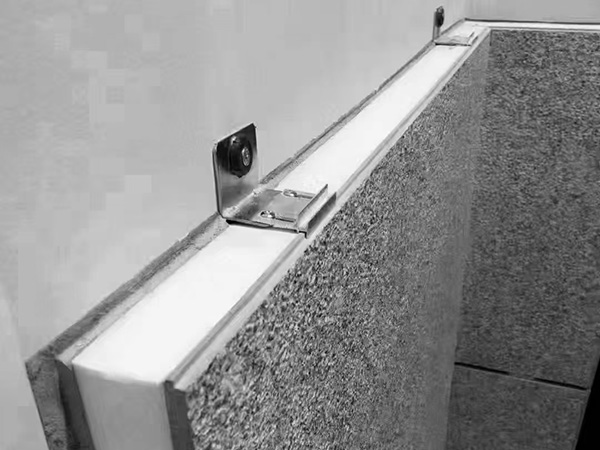
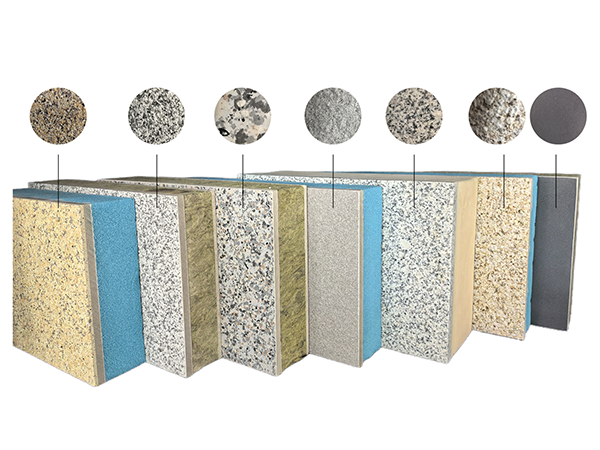
Real stone paint exterior wall insulation and decoration integrated board
-
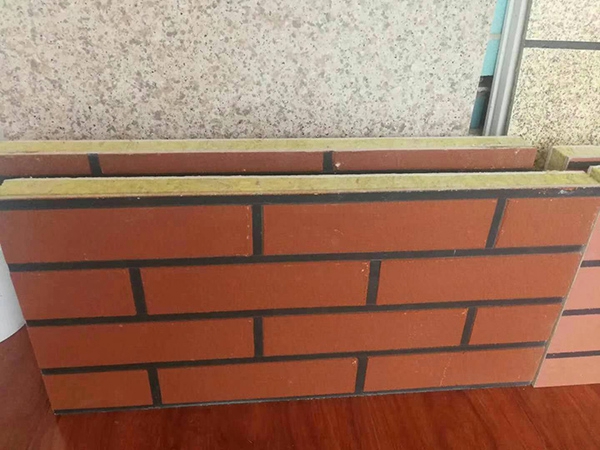
Real stone paint imitation brick polyurethane insulation integrated board
-
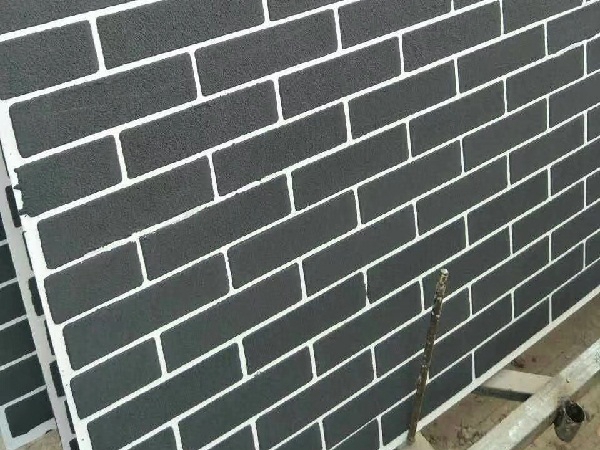
Extruded genuine stone paint imitation brick integrated board
-
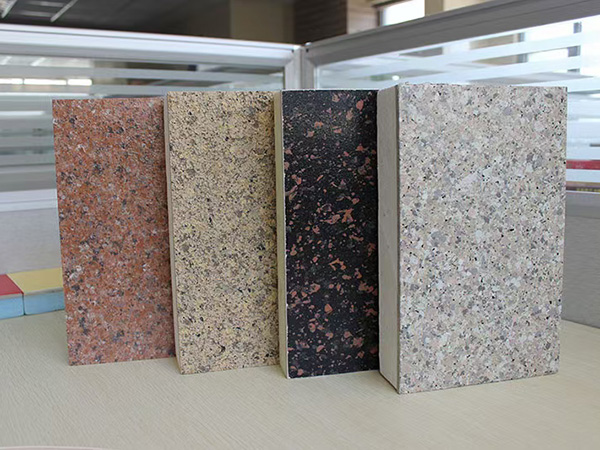
Imitation stone paint insulation decorative integrated board
-
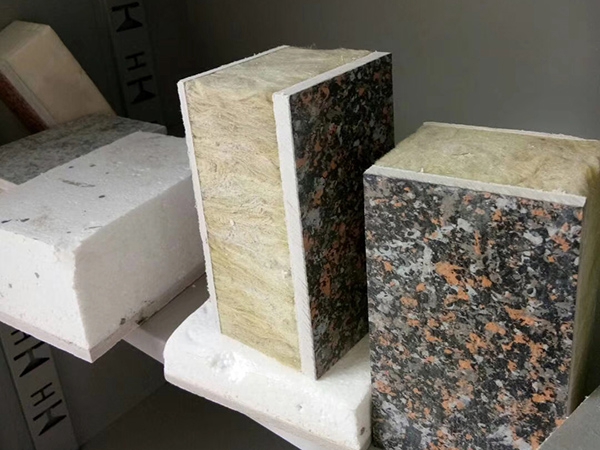
Colorful painted rock wool insulation decorative integrated board
-
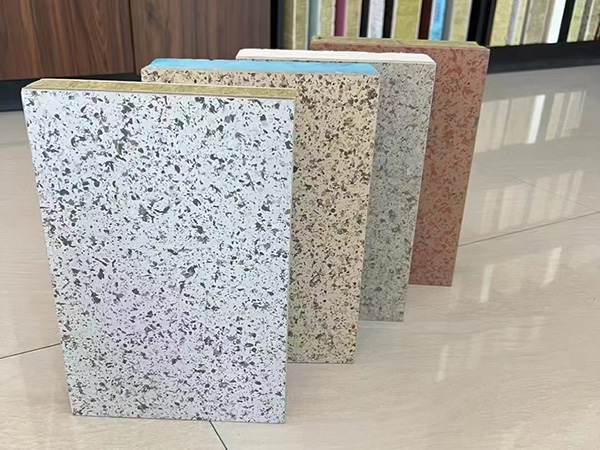
Imitation stone insulation decorative integrated board
Contact us
—— Contact:Manager
—— Tel:+86 15175677755
—— Email:644244139@qq.com
—— Url:https://www.dingminginsulation.com
—— Address:Liuyuanzhuang Village, Dacheng County, Langfang City, Hebei Province