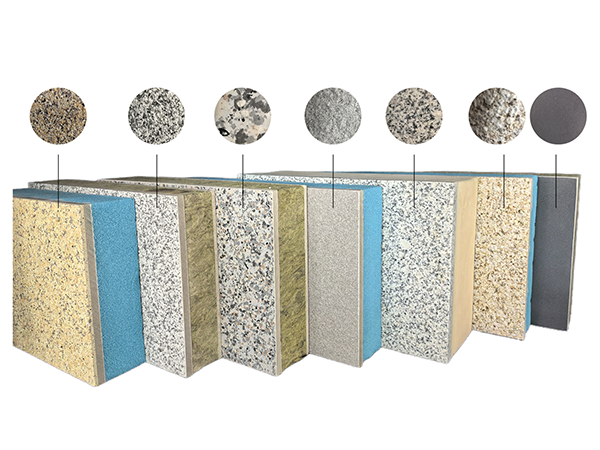

NewsDetails
XPS Brick Imitation Real Stone Paint Insulation Board: Structural and Aesthetic Analysis
author:Dingming time:2026-08-09 20:00:42 Click:187
The Engineering Behind Extruded Polystyrene Insulation Cores
Extruded polystyrene, known throughout the industry as XPS, has been a trusted insulation material in building construction for decades. Its manufacturing process involves forcing molten polystyrene mixed with blowing agents through a die, creating a continuous closed-cell foam sheet that is then cut to specified dimensions. The resulting material exhibits uniform density, consistent thermal properties, and exceptional moisture resistance that has made it a staple in below-grade and exterior wall applications.
The closed-cell structure of XPS foam is what gives it its characteristic moisture resistance. Unlike open-cell insulations that can wick water through capillary action, XPS resists water absorption at rates typically below 1 percent by volume even after prolonged immersion. This quality makes XPS an excellent core material for exterior insulation panels that face direct weather exposure throughout their service life.
Manufacturers produce XPS in various densities, with higher-density boards offering improved compressive strength and thermal performance. For exterior facade panels, the typical density range falls between 28 and 40 kilograms per cubic meter, providing sufficient compressive resistance to withstand handling, wind loads, and installation fastener forces without excessive deformation.
Brick Imitation Surface Technology
Brick imitation finishes on XPS insulation boards serve markets where the visual warmth and texture of masonry construction is culturally preferred. The manufacturing process creates realistic brick patterns through a combination of textured mold pressing and multi-tone paint application. Individual brick units within each panel are defined by mortar-line recesses that cast subtle shadows, enhancing the three-dimensional illusion.
The depth of the brick pattern varies between manufacturers. Some produce shallow profiles of 1 to 2 millimeters that read as brick from moderate distances, while others achieve deeper relief of 3 to 5 millimeters that creates convincing shadow lines even at close range. The manufacturer selects profile depth based on the intended viewing distance and the structural implications for the panel system.
Color options extend beyond the traditional red brick palette. Warm terracotta, cool gray, weathered brown, and even yellow brick tones are available. Some manufacturers offer multi-tone panels where individual brick units within the same panel vary slightly in color, replicating the natural variation found in genuine kiln-fired brick. The supplier can provide sample boards showing available color and pattern options.
Real Stone Paint Overlay Systems
Some XPS brick imitation boards incorporate a real stone paint overlay that adds granular texture to individual brick surfaces. This hybrid approach combines the geometric regularity of brick patterning with the organic surface quality of stone, producing a facade that reads as weathered masonry. The stone paint layer uses fine mineral aggregates in an acrylic or silicone binder applied over the molded brick pattern.
The dual-layer aesthetic creates visual complexity that is difficult to achieve with either brick imitation or stone paint alone. From a distance, the facade presents the ordered rhythm of brickwork. Upon closer inspection, the stone-like surface texture adds tactile and visual interest that distinguishes it from conventional brick-veneer facades.
The manufacturer must ensure that the stone paint overlay adheres properly to the XPS substrate beneath the brick mold layer. Compatibility between the paint binder and the XPS surface is essential because delamination of the paint layer would expose the foam core to UV degradation and weather damage. Quality manufacturers validate adhesion through accelerated aging tests and field performance monitoring.
Thermal Performance of XPS-Core Facade Systems
XPS insulation achieves thermal conductivity values typically between 0.029 and 0.035 W/mK, placing it in the mid-range of rigid insulation options. While it does not match the ultra-low conductivity of polyurethane, XPS provides adequate thermal resistance for most building code requirements when specified at appropriate thicknesses. A 50-millimeter XPS board delivers roughly R-2.8 per inch, which meets prescriptive exterior wall R-value requirements in many climate zones.
One advantage of XPS in facade applications is its dimensional stability over a wide temperature range. The material does not expand or contract significantly with temperature fluctuations, which means joints remain tight and panel attachment systems experience minimal thermal cycling stress. This stability contributes to long-term weather performance and reduces the risk of joint sealant failure.
The manufacturer should provide thermal conductivity data measured at the mean temperature conditions relevant to the project's climate zone. Thermal conductivity increases slightly at higher temperatures, and accurate data enables proper energy modeling. The supplier can assist with thermal calculations for specific wall assembly configurations.
Moisture Management and Vapor Control
The moisture resistance of XPS insulation is among its most valuable characteristics for exterior facade applications. Water that contacts the panel surface from rain, snow, or condensation does not penetrate the closed-cell foam structure. This resistance protects the insulation's thermal performance and prevents the water-related degradation that plagues more permeable insulation materials.
Vapor diffusion through XPS is relatively slow, with permeance values between 1 and 3 US perms depending on product density and thickness. This low permeance means XPS acts as a partial vapor retarder in wall assemblies. The manufacturer should clarify the vapor permeance of their specific product to support proper wall assembly design.
In cold climates, the vapor-retarding nature of XPS can be beneficial by reducing condensation risk within the wall cavity. In hot-humid climates, however, the same characteristic can trap moisture within the assembly if not properly detailed. The supplier should provide climate-specific guidance on vapor control strategies for XPS facade systems.
Installation Systems and Attachment Methods
XPS brick imitation panels install using mechanical fasteners supplemented by adhesive bonding. The fastener selection depends on the substrate type, with different fasteners specified for concrete, masonry, steel stud, and wood frame construction. The manufacturer provides specific fastener recommendations based on pull-out testing of their panel systems.
Because XPS is a relatively soft material compared to rock wool or fiber cement panels, fastener embedment must be controlled to avoid over-compression at the attachment point. Manufacturers typically specify washer sizes and installation torque limits that distribute fastener loads without crushing the insulation core. Training installation crews on these requirements prevents quality issues.
Horizontal joint treatment requires particular attention on brick-imitation panels. The mortar-line pattern creates natural visual joint lines, but the actual weather seal must be maintained behind the visible pattern. The supplier provides detailing drawings showing how the panel joint geometry integrates with the brick pattern and the weather seal system.
Building Renovation and Overcladding Applications
Existing buildings with deteriorated brick facades represent a significant application area for XPS brick imitation panels. Rather than performing costly brick repointing and restoration, owners can overclad the existing facade with insulated panels that refresh the building's appearance while improving thermal performance. The lightweight XPS panels typically do not require structural reinforcement of the existing wall.
The manufacturer can provide engineering calculations confirming that the additional panel load falls within the capacity of common structural substrates. For renovation projects involving attachment to existing masonry, the manufacturer should specify appropriate fastener embedment depths and pull-out requirements for the existing substrate conditions.
The supplier's role in renovation projects often extends to site assessment, custom panel fabrication for irregular conditions, and coordination with other trades involved in the renovation scope. These services add value beyond material supply and help ensure successful project outcomes.
Conclusion
XPS brick imitation real stone paint insulation boards combine the moisture resistance and dimensional stability of extruded polystyrene with visually compelling brick and stone aesthetics. The factory-controlled manufacturing process ensures consistent quality that field-applied masonry finishes cannot match. Selecting a qualified manufacturer with proven adhesive technology and working with an experienced supplier who understands both new construction and renovation applications ensures that these panels deliver lasting performance and visual appeal.
References
ASTM International. (2022). ASTM C578: Standard Specification for Rigid, Cellular Polystyrene Thermal Insulation. ASTM Publications.
Building Science Corporation. (2023). Moisture Management in Exterior Wall Assemblies with Foam Insulation. BSC Publications.
International Code Council. (2021). International Energy Conservation Code: Requirements for Continuous Insulation. ICC Publications.
National Institute of Building Sciences. (2022). Whole Building Design Guide: Exterior Wall Systems. NIBS Publications.
Masonry Society. (2021). Guide to Masonry Facade Alternatives and Renovation Methods. TMS Publications.
 Recommended Products
-
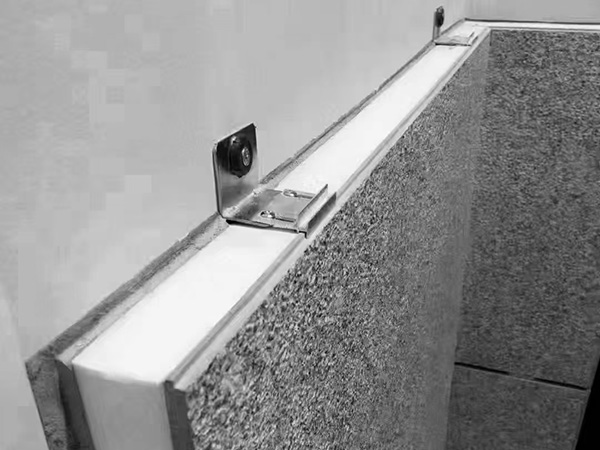
Real stone paint exterior wall insulation and decoration integrated board
-
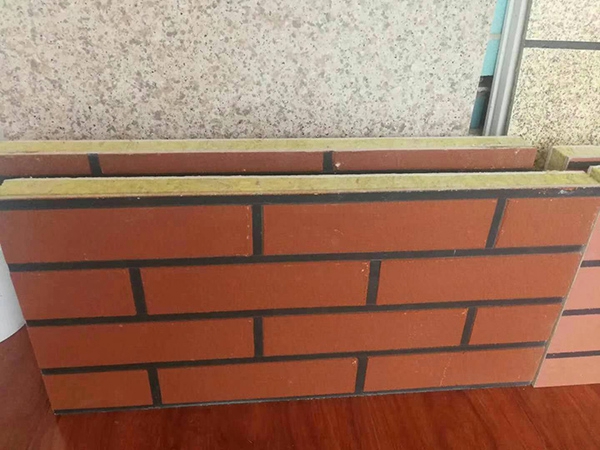
Real stone paint imitation brick polyurethane insulation integrated board
-
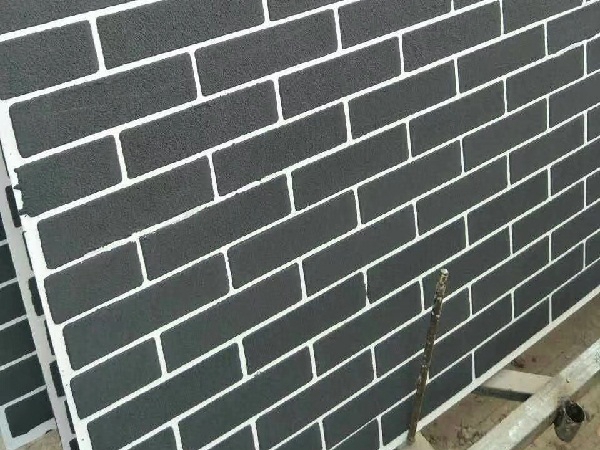
Extruded genuine stone paint imitation brick integrated board
-
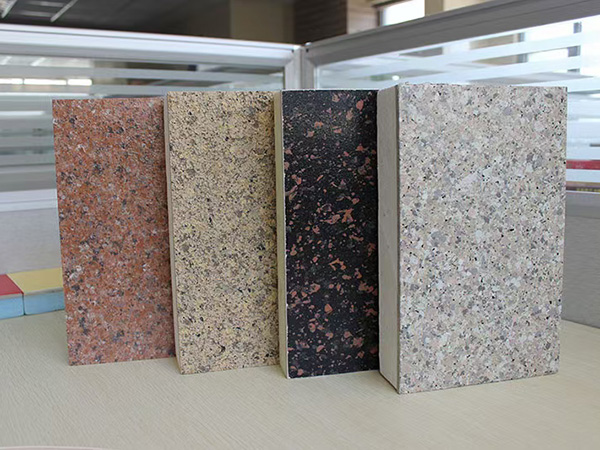
Imitation stone paint insulation decorative integrated board
-
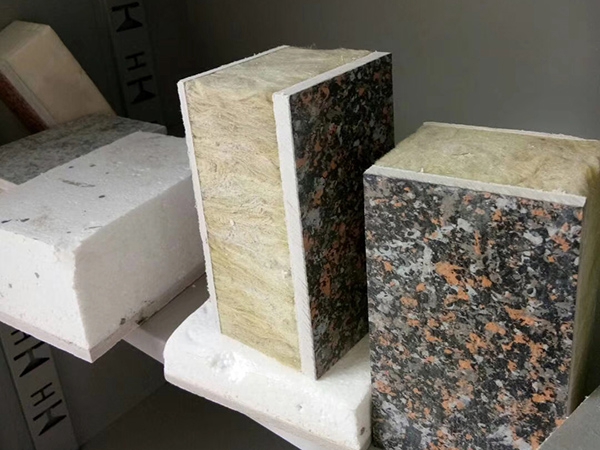
Colorful painted rock wool insulation decorative integrated board
-
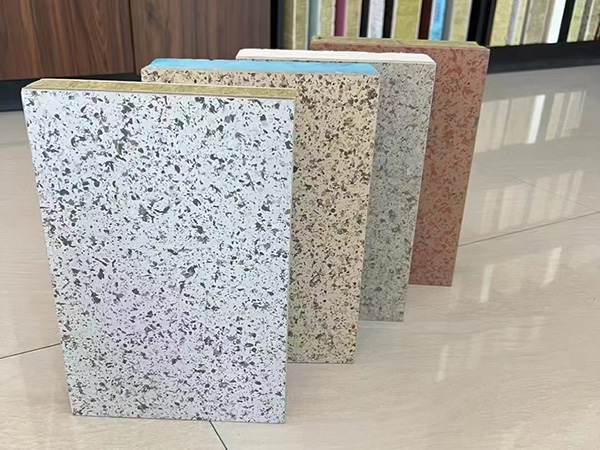
Imitation stone insulation decorative integrated board
Contact us
—— Contact:Manager
—— Tel:+86 15175677755
—— Email:644244139@qq.com
—— Url:https://www.dingminginsulation.com
—— Address:Liuyuanzhuang Village, Dacheng County, Langfang City, Hebei Province